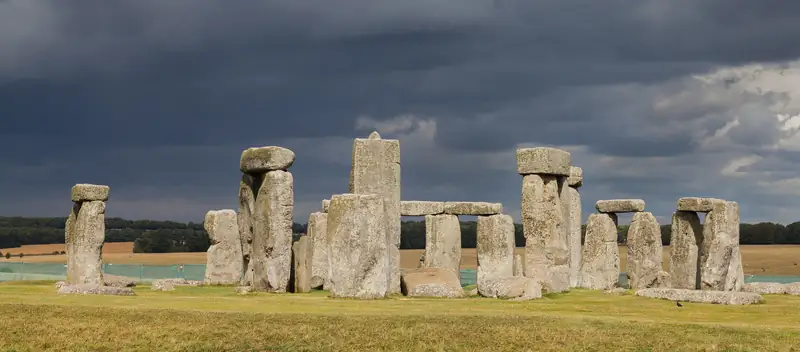
Stonehenge
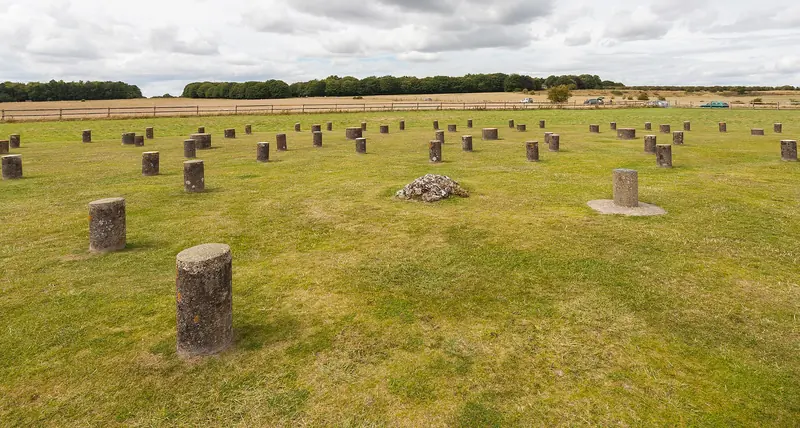
Stonehenge was built in stages, starting around 5,000 years ago. The big sarsen stones that everyone pictures went up about 2500 BC. Nobody wrote down why. That is a large part of the appeal: you stand there, look at lintels weighing several tonnes that were shaped and lifted without metal tools, and make up your own mind.
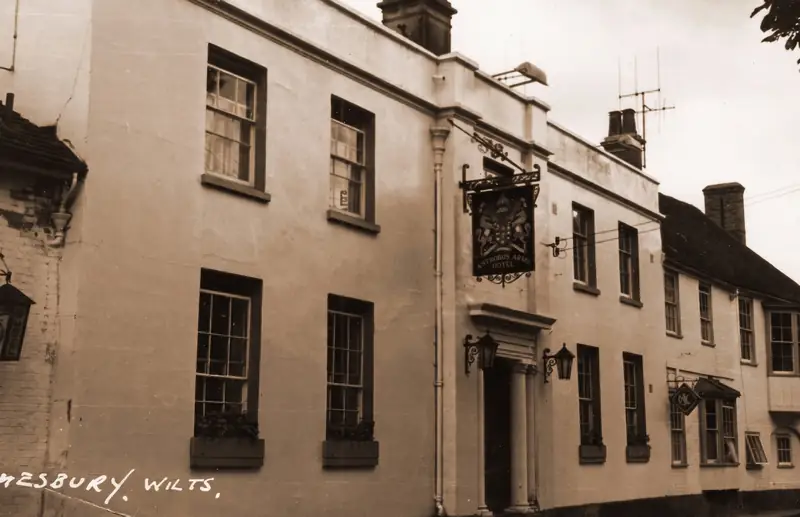
The hotel is on the road that leads to the monument. Leave our door, drive west, and the stones appear on the plain to your right within a few minutes.
How a visit works
You cannot drive up to the stones themselves. Everyone starts at the English Heritage visitor centre, which sits about a mile and a half west of the circle, so the drive from the hotel is a little longer than the distance to the monument suggests. Park there, collect your tickets, and then either take the shuttle bus to the stones or walk across the fields, which takes most people around half an hour each way.
At the stones a path runs right round the circle. You are kept a short distance back, close enough to see the tool marks in good light. The visitor centre has an exhibition of objects found in the landscape, a group of reconstructed Neolithic houses you can go inside, a cafe and a shop.
English Heritage suggests allowing about two hours. If you walk to the stones and take the exhibition slowly, give it three.
Booking tickets
- Book ahead on the English Heritage website. Entry is by timed ticket. Booking in advance guarantees your slot and usually costs less than paying on the day.
- Members still need to book. English Heritage members and National Trust members get in free, but should reserve a time slot in the same way.
- Check opening times before you travel. Hours change with the season, and last entry is well before closing time.
- Want to stand among the stones? English Heritage runs Stone Circle Experience visits outside normal opening hours, early in the morning or in the evening, which let a small group walk inside the circle. They sell out a long way ahead.
Stonehenge tickets and opening times on the English Heritage website
When to go
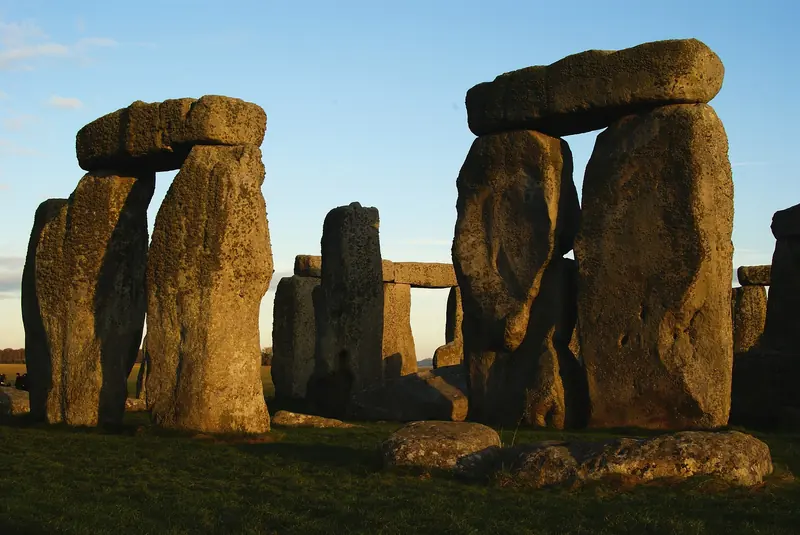
Coach tours from London and Bath arrive in the late morning and fill the middle of the day. The first slot of the morning and the last couple of the afternoon are noticeably quieter, and the low light at both ends of the day is kinder to photographs.
This is where staying in Amesbury pays off. Day-trippers cannot easily make the first slot. You can finish breakfast and still be there for it.
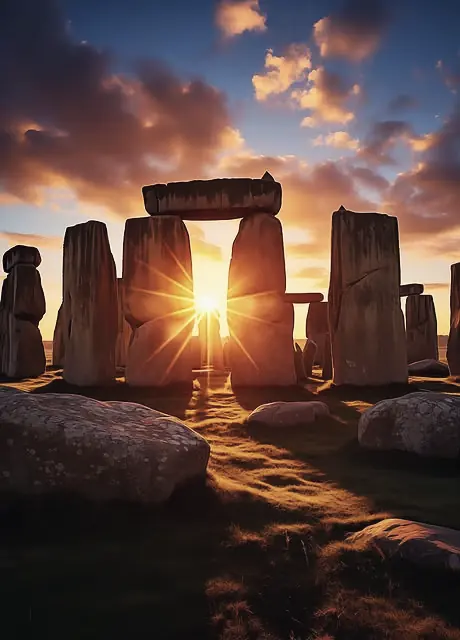
In winter, book a late slot and you may catch the sun going down behind the stones. Wrap up, because the plain is open and the wind has nothing to stop it.
The solstices
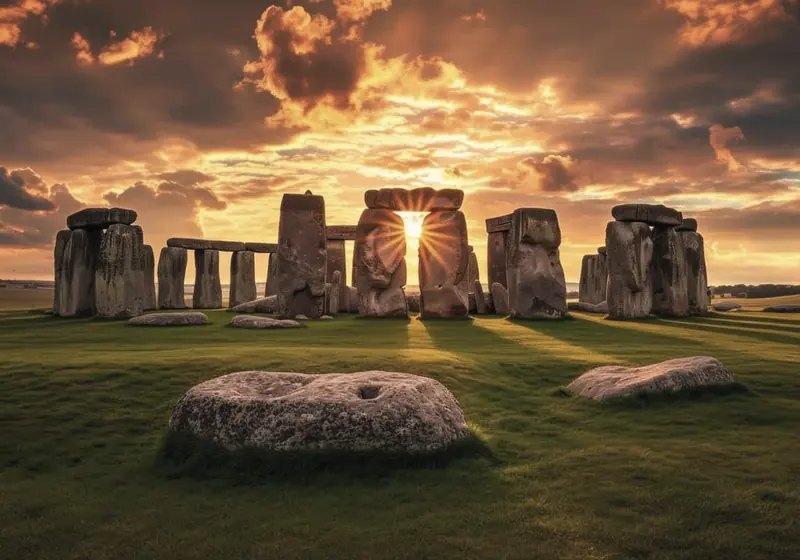
At the summer and winter solstices English Heritage normally opens the stones for free so that people can gather inside the circle for sunrise. Thousands come in midsummer, the roads around Amesbury are busy all night, and rooms here book up early. If you want to be part of it, reserve well ahead. If you want a quiet visit, pick another week.
Practical points
- Much of the site is outdoors with no shelter. Bring a coat even in July.
- English Heritage offers an audio guide you can download to your phone before you go.
- Pet dogs are not allowed at the stone circle, only assistance dogs. Check English Heritage's current policy if you are travelling with yours.
- The landscape around the stones belongs to the National Trust and is free to walk. The burial mounds on King Barrow Ridge and the long earthwork called the Cursus are older than most of what you see in the circle.
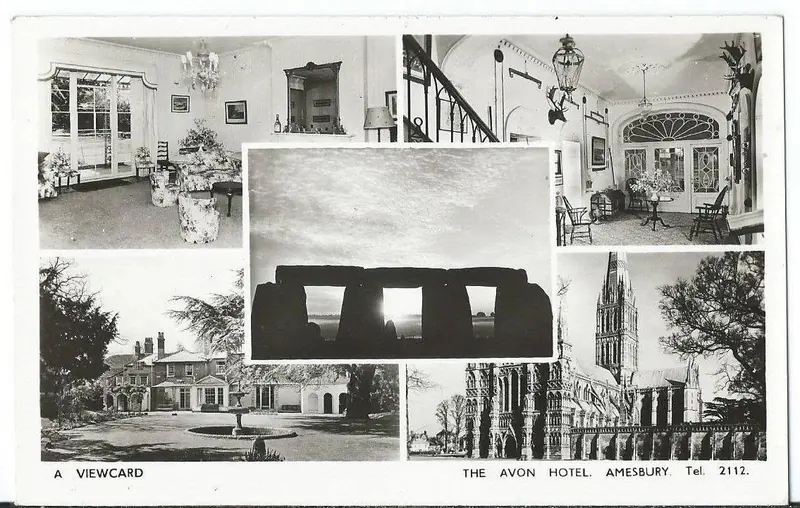
Staying with us? Ask at reception for directions, the quickest way round the A303 traffic, and where to walk if you want to see the stones from the open landscape.